Beach Pilates Core Workout: Strength & Balance on Sand
Early on a cool morning, I stepped barefoot onto the shoreline for the first time, ready to test a Pilates plank on shifting sand. Within minutes, I felt muscles I never knew existed fire up, my balance waver, and my focus sharpen. This wasn’t a fleeting wellness trend—it was a deliberate, scientifically backed method to deepen core engagement and enhance proprioception.
The Science Behind Beach Pilates
Beach Pilates leverages sand’s natural instability to recruit deep stabilizer muscles and refine your body’s sense of position in space, known as proprioception. Electromyography (EMG) studies indicate a 20–40% increase in activity of the transversus abdominis and obliques when performing planks or the Hundred on sand compared to a firm surface.
- Deeper Core Activation: EMG measures electrical signals in muscles. On sand, your transversus abdominis—the innermost abdominal layer—and pelvic floor work harder to maintain stability.
- Enhanced Balance: Moving on an uneven surface recruits the vestibular system, improving proprioception (the internal awareness of body position) within weeks of consistent practice.
- Higher Calorie Burn: Variables like wind resistance, uneven terrain, and temperature regulation can increase energy expenditure by up to 25% versus indoor Pilates.
Equipment and Site Selection
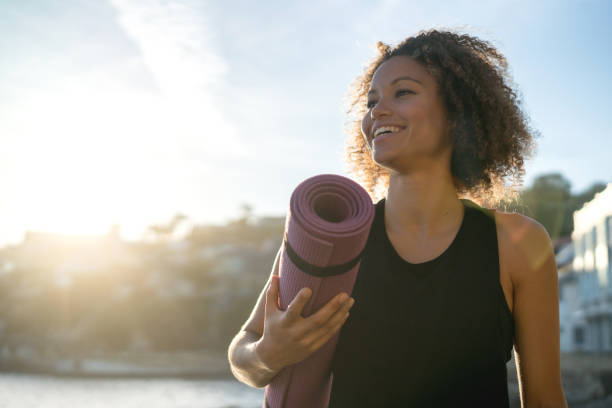
- Mat Choice: A thick Pilates mat or sand-specific mat cushions joints and prevents sliding on loose grains.
- Hydration and Sun Protection: Pack water in a refillable bottle, apply SPF 30+ sunscreen, and wear a hat or visor.
- Optional Props: Resistance bands, a Pilates ring, or light hand weights can add targeted challenge.
- Beach Conditions: Select a clean, flat stretch of sand free from rocks and debris. Early morning or late afternoon sessions offer cooler temperatures and fewer crowds.
Step-by-Step Routine (45–60 Minutes)
1. Warm-Up (10 minutes)
Start with 3–5 minutes of brisk walking or light jogging along the shore to elevate heart rate. Follow with dynamic stretches—arm circles and hip openers—and 3–5 minutes of Pilates breathing exercises like the Cat-Cow articulation and Pelvic Tilts to mobilize the spine.
2. Foundational Moves (10 minutes)
- The Hundred: Lie supine, lift head and shoulders, and pump arms in small, rapid movements. Inhale for five counts and exhale for five. This exercise engages the transverse abdominis.
- Pelvic Tilts: With knees bent, press your lower back into the sand by tilting your pelvis up and down, segmenting each vertebra for spinal control.
- Modified Plank: Hold a high plank for 20–30 seconds, focusing on a neutral spine and engaged core as the sand shifts beneath your hands.
3. Intermediate Series (15 minutes)
- Teaser Prep: From a supine roll-down, curl up into a V-shape with legs extended, then roll back down vertebra by vertebra, maintaining control.
- Side-Lying Leg Circles: In side plank position, lift and circle the top leg to work the glute medius and obliques.
- Swimming: On your belly, lift opposite arm and leg in alternating pulses. Keep a long neck and gaze toward the horizon.
4. Standing Balance (7 minutes)
Practice slow roll-downs from standing, forward lunges with gentle trunk rotations, and single-leg balances on both firm and damp sand to heighten proprioceptive feedback.
5. Cool-Down (3 minutes)
Conclude with hamstring and calf stretches followed by deep diaphragmatic breathing. Take a moment to feel the breeze and acknowledge your accomplishments.
Key Terms Explained
- EMG (Electromyography): A technique that records the electrical activity of muscles to assess their workload.
- Transversus Abdominis: The deepest layer of abdominal muscles, crucial for core stability.
- Proprioception: The body’s internal sense of position and movement, essential for balance and injury prevention.
- The Hundred: A foundational Pilates exercise combining coordinated arm pumps and breath control to strengthen the core.
Safety and Modifications
- Begin with shorter sessions (20–30 minutes) to adapt to sand’s challenge.
- Watch wrist and knee alignment; sand can increase joint stress. Modify positions or rest if you feel sharp pain.
- Reapply sunscreen every 45 minutes and hydrate regularly.
- Slight wobble during balance work is normal; pain indicates a need to adjust or pause.
Conclusion
Beach Pilates offers a balanced blend of challenge and serenity. By harnessing sand’s instability, you’ll deepen core activation, sharpen balance, and burn more calories—all while enjoying the natural environment. Aim for 2–4 sessions per week, listen to your body, and watch your strength and confidence grow.
Laisser un commentaire