Bangkok has long been the barometer for boutique fitness in Southeast Asia. So when Club Pilates—the world’s largest reformer-based Pilates franchise—announced plans to open 20 studios across Bangkok and Chonburi province by the end of 2026, my heart skipped a beat. This is either a masterstroke or a recipe for burnout. For those of us who live and breathe Pilates (and yoga), the central question remains: what do we truly gain—and what are we risking—when a global giant moves in at breakneck speed?
Record Scale Meets Ambitious Timelines
- 20 studios in just three years: a herculean task in a market still finding its footing.
- Global standards vs. local talent: the instructor pipeline will make or break the rollout.
- Premium positioning: pricing, cancellation policies and Thai-language classes demand scrutiny.
- Direct competition with hot yoga, wellness resorts and indie Pilates halls—location and hours will be critical.
According to Euromonitor International, Thailand’s wellness economy surged 28.4% in 2023 to reach $40.5 billion[1]. Club Pilates’ first outpost is slated for Sukhumvit in spring 2024, followed by Silom in Q3 2024 and a rapid wave of openings through Ari, Phrom Phong and the Bangkok-Pattaya corridor in 2025–2026[2]. The master franchise with Me In Motion Co., Ltd.—helmed by Thanayous and Varissara Kositsakul, veterans from Toyota and Adidas Thailand[3]—brings deep branding expertise. But no partnership prevents a soft launch turning into a belly flop if classroom execution falters.
Reformer Rig and Class Architecture
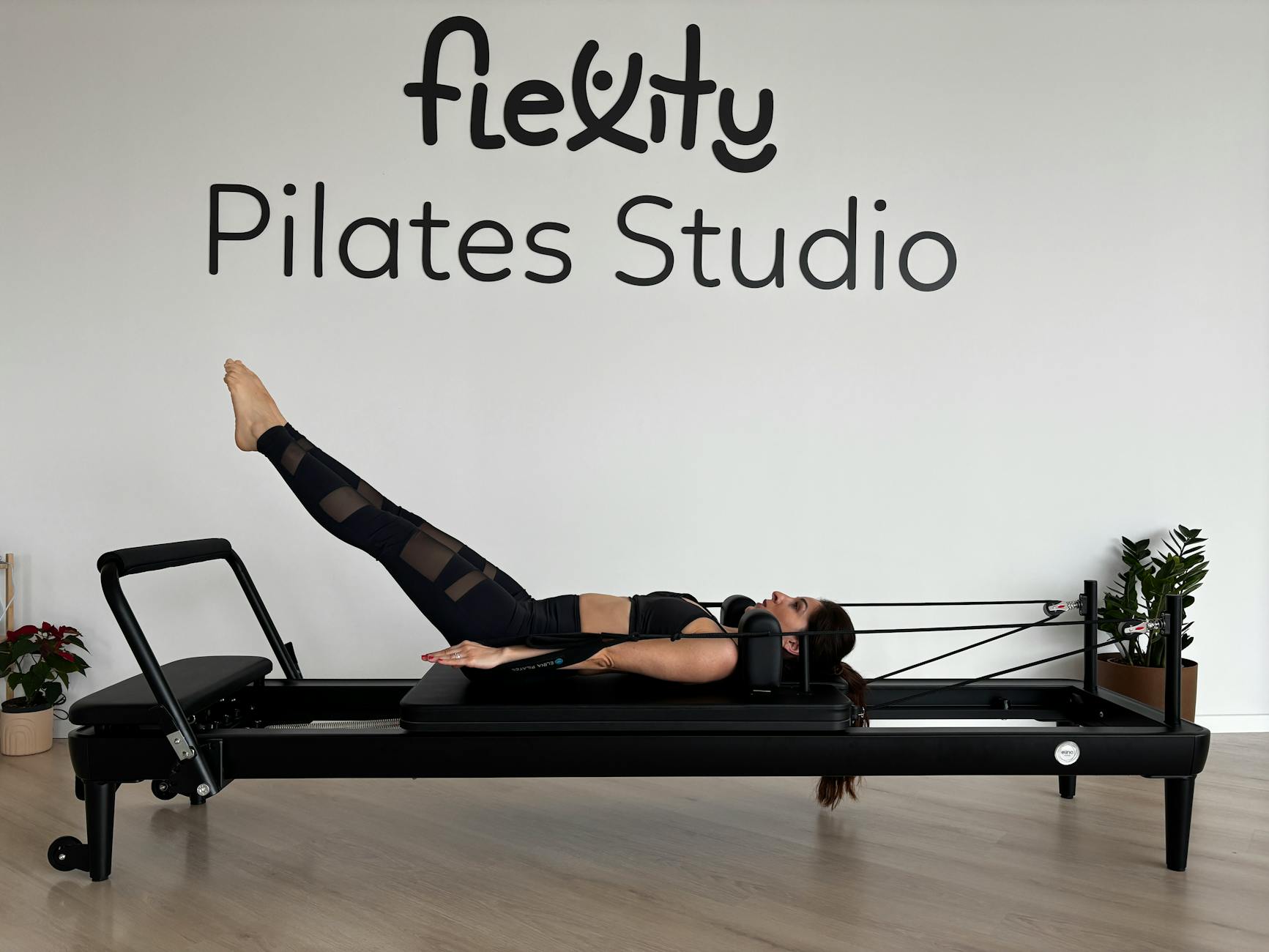
Each Club Pilates studio will feature 12–15 premium reformers, Cadillac towers, Wunda chairs and, in select flagship locations, TRX rigs and BOSU balls. Classes span four progressive formats:
- Essentials (45 min): introductory mat and reformer fundamentals.
- Balanced (60 min): adds controlled eccentric work and proprioceptive drills.
- Cardio Sculpt (50 min): integrates dynamic spring resistance with low-impact intervals.
- TRX Fusion (45 min): blends reformer sets with functional suspension training.
A typical Balanced session opens with a five-minute breathing and scapular warm-up on the reformer, proceeds to 30 minutes of targeted spring resistance flows, then closes with mobility-focused cool-down drills. In markets such as Singapore, the instructor-to-reformer ratio averages 1 : 10, ensuring personalized adjustments. But I’ve walked into studios in Sydney with 14 reformers and one coach—hardly the premium experience sold. My tip: always ask before booking, “What’s today’s ratio, and how many reformers are on the floor?”
Instructor Pipeline: Speed vs. Substance
Officially, Club Pilates requires 450 hours of teacher training accredited by Pilates Method Alliance (PMA) or STOTT, plus 30 hours of brand-specific onboarding and quarterly continuing education[4]. In practice, there will be two tracks: a core cadre of senior PMA-certified instructors rotating among studios, and a faster-track cohort of newly minted teachers to meet demand. Here’s what to watch:
- Class size: cap at 12 students per instructor for safe alignment checks.
- Language options: are there Thai-native classes or only English-led sessions?
- Initial screening: insist on a mobility and joint-assessment screener to prevent injury.
Local data suggest Bangkok currently has around 120 certified Pilates instructors. To staff 20 studios at a conservative 1 : 10 ratio—and allowing for peak-time overlap—Me In Motion must onboard roughly 250 teachers by 2026, a 108% increase in certified workforce. Without robust partnerships—say, with Chulalongkorn University’s Sports Science Faculty or regional Pilates academies—filling that gap with quality personnel is a tall order.
Pricing and Accessibility: Know the Fine Print
Benchmarked against APAC standards, Club Pilates’ pricing structure will look something like this:
| Package | Bangkok Estimate (THB) | Local Indie Studio (THB) |
|---|---|---|
| 4-Class Pack | 3,800 | 2,800 |
| Unlimited Monthly | 8,200 | 6,500 |
| One-Time Intro | 1,200 | 900 |
| Registration Fee | 1,500 | — |
Expect a no-show charge of around THB 400 for cancellations under 12 hours. Before committing, clarify:
- “Does my membership cover all Bangkok & Chonburi studios?”
- “Are there minimum-term contracts or exit penalties?”
- “Are non-slip socks mandatory, and what’s their cost?”
Yoga Synergy: A Natural Partnership
Bangkok’s yoga community has increasingly leveraged reformer work for core stabilization and shoulder health. Jiraphat J., a local Vinyasa instructor, told me, “Introducing Pilates improved my backbends by strengthening the posterior chain—I wish we’d had these reformers a decade ago.” For a balanced weekly regimen, I recommend:
- 2 reformer sessions (Balanced & Cardio Sculpt)
- 2 yoga classes (Hatha or Vinyasa)
Look out for specialty workshops—“Spine Extension & Backbend Preparation” or “Inversion Stability Lab”—which can impart technical depth to your yoga practice.
Local Impact and Final Verdict
Club Pilates’ blitz could elevate the city’s Pilates and yoga standards, forcing smaller studios to tighten scheduling, hygiene protocols and digital booking capabilities. Yet the real pitfall lies in prioritizing footprint over finesse. If novice instructors fill oversized reformer classes without mobility screens, these “sweat sessions” risk becoming glorified circuit training.
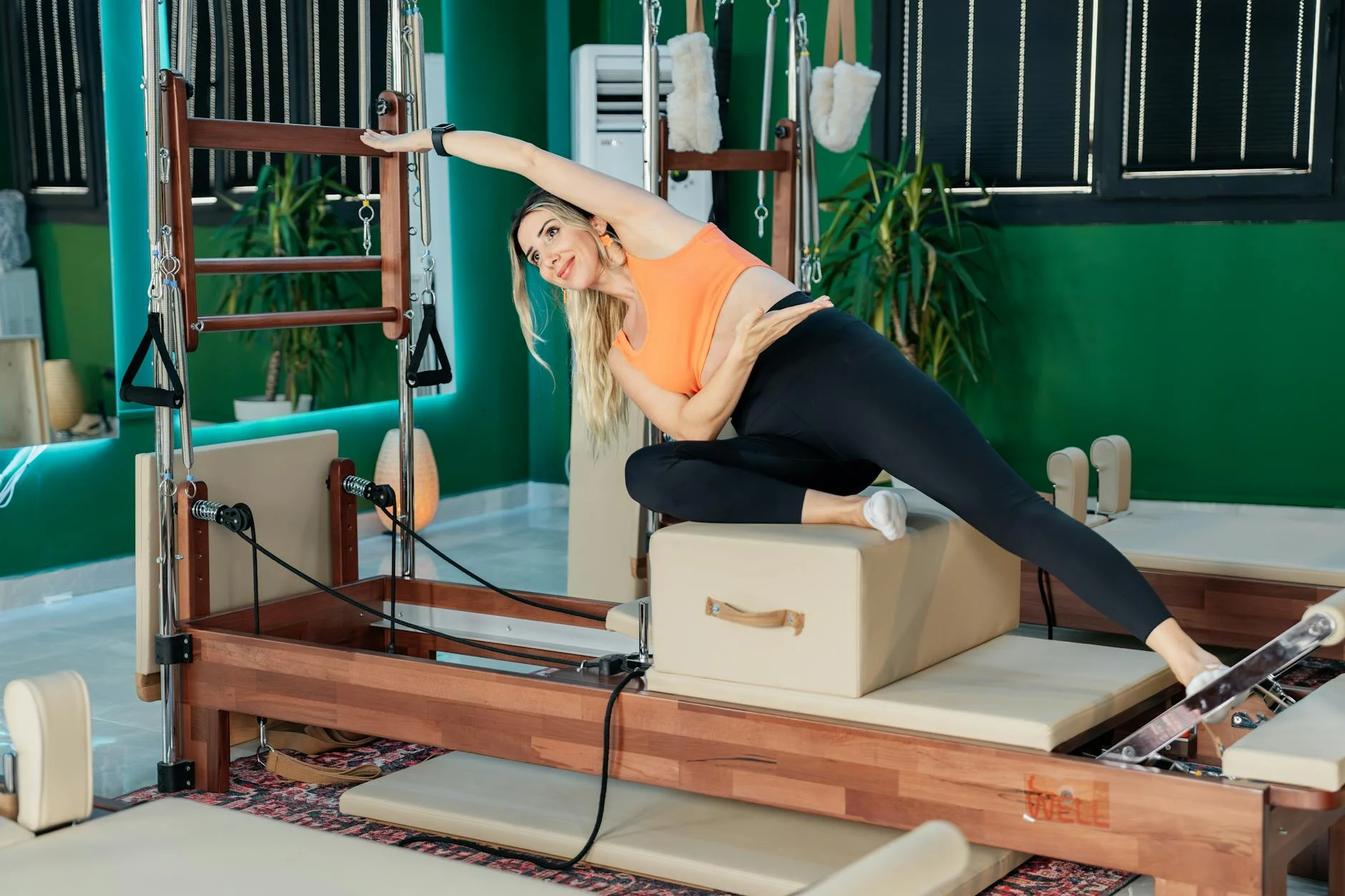
In Chonburi’s beachside studios, open-air reformer classes and weekend mini-retreats promise a dreamy Instagram reel—but depth of instruction must follow. As Thanawut Chalermphet, regional franchise director, admits: “Our success hinges studio by studio, instructor by instructor.”
Action Steps for Practitioners
- Start with an Essentials intro and demand a mobility screener.
- Verify class ratios, language options and cancellation policies before purchase.
- Adopt a 2× reformer + 2× yoga weekly combo for balanced strength and flexibility.
- As a premium member, insist on precise corrections, varied time slots and spotless facilities.
Bottom line: If Club Pilates keeps class sizes under 12, enforces rigorous screening and cultivates a robust local instructor base, their “Bangkok Blitz” could elevate the city’s Pilates scene. If not, expect high turnover and sweaty but shallow sessions. When it comes to your joints—and your goals—quality will always trump quantity.
References:
- Euromonitor International. “Thailand Wellness Market Report 2023.”
- Club Pilates. “Thailand Expansion Press Release,” March 2024.
- The Business Times Thailand. “Master Franchise Deal with Me In Motion Co., Ltd.,” April 2024.
- Pilates Method Alliance. “Standards for Pilates Teacher Training.”
- Wellness Asia. “Boutique Pilates Pricing Benchmark in APAC,” 2023.
Laisser un commentaire